

The third pillar of the 50K goal is to maximize organ utilization by transplant programs.
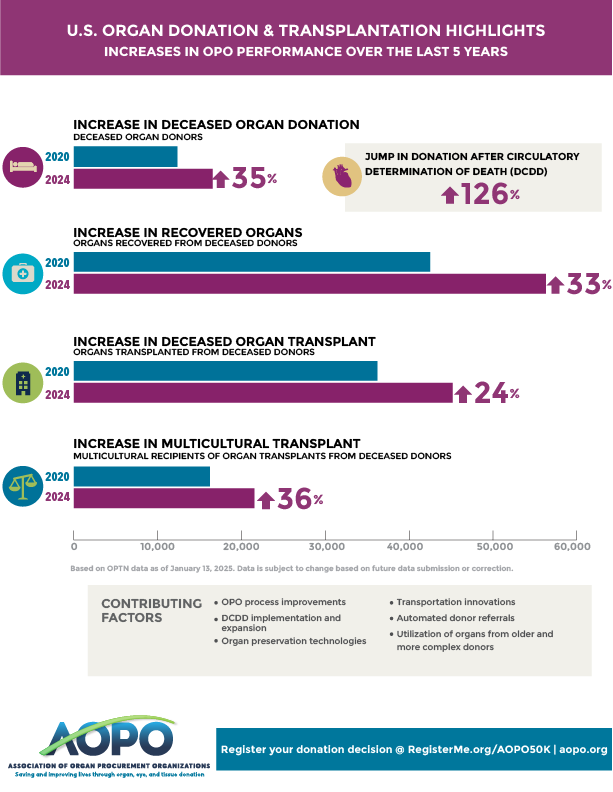
More and more lives are saved each year through the gift of life. However, more than 100,000 patients are still desperately waiting for a lifesaving organ transplant. The donation and transplantation community has more work to do to improve the utilization of available organs for transplantation.
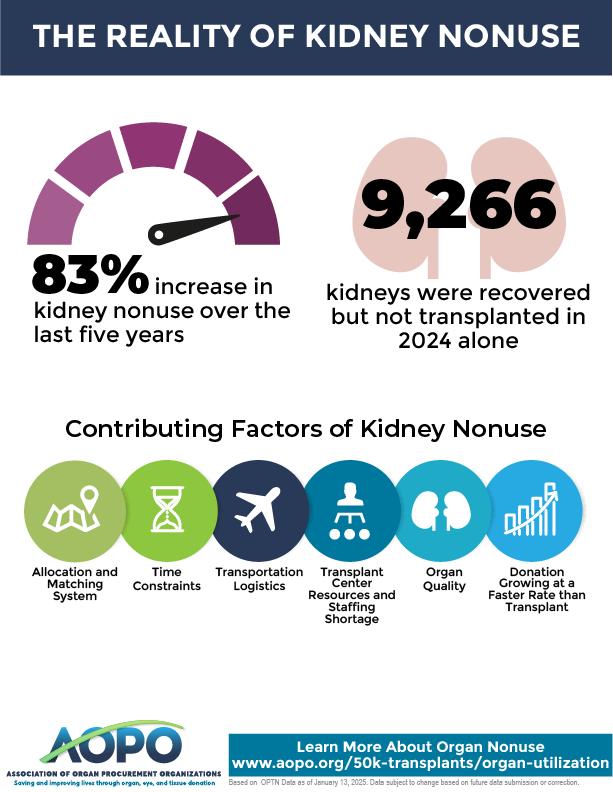
kidneys recovered and NOT transplanted in 2024
%
increase in kidney nonuse over the last five years
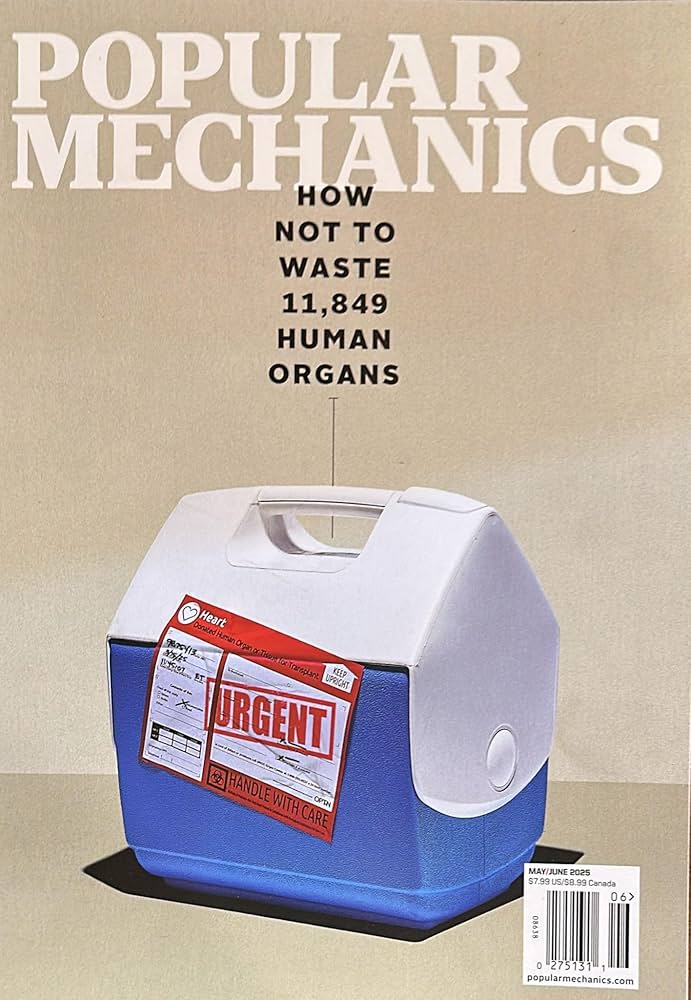
“His Family Wanted to Donate His Organs. It Shouldn’t Have Been This Hard.”
The Popular Mechanics story is centered on Brian Benadom, a 66‑year‑old man whose family wanted to donate his organs after he became terminally ill, and the challenges encountered in trying to place his liver, lungs, and kidneys for transplant.
His case highlights broader systemic issues in the U.S. organ donation and allocation system, including complex matching algorithms and high organ discard rates that can delay or prevent organ placement.
The article examines why thousands of donated organs go unused each year despite decades of medical progress, showing how an overloaded allocation system and fractured supply chain make it difficult for transplant centers to match and accept organs, particularly those considered clinically complex.
AOPO worked closely with Popular Mechanics reporter Dan Schwartz to combat misinformation and emphasize the need for improved technology, smarter matching systems, and stronger clinical decision-making to save more lives.

“Why so many donated organs never get transplanted | ANF Investigates.”
An Atlanta News First Investigates report examined the growing challenge of organ non-use, revealing that in Georgia alone, one in six recovered organs went unused in 2024 despite patients waiting for life-saving transplants. The investigation paired data with the story of organ donor Cesar Hernandez and the lasting impact of his decision to give.
The coverage featured AOPO leadership to help contextualize the issue nationally, emphasizing how misaligned performance metrics, clinical risk concerns, and logistical barriers contribute to organ non-use. By elevating both patient and donor family perspectives, the report underscored the urgent need for system-wide solutions to ensure every donated organ has the opportunity to save lives.

“How We Can Transplant More Donated Organs and Save More Lives”
AOPO joined Mediaplanet’s national Donation & Transplant Campaign, featured in USA Today. AOPO Immediate Past President Dorrie Dils contributed an editorial discussing the rise in organ nonuse, particularly with kidney donations, and highlighting solutions underway.