
Rethinking Age and Donation: The Story of a 100-Year-Old Hero

Guest Author:
Kara Cordell
Marketing + PR Manager
Live On Nebraska
In February, 100-year-old Nebraska native and Army veteran Dale Steele turned that notion on its head when he became the oldest organ donor in the United States. Dale’s liver was successfully transplanted following donation after circulatory death (DCD), a pathway of organ donation that occurs after the heart has stopped beating and death has been declared, proving that age is indeed just a number. Advances in technology and patient evaluation are helping expand what may be possible for donors once considered outside traditional criteria.
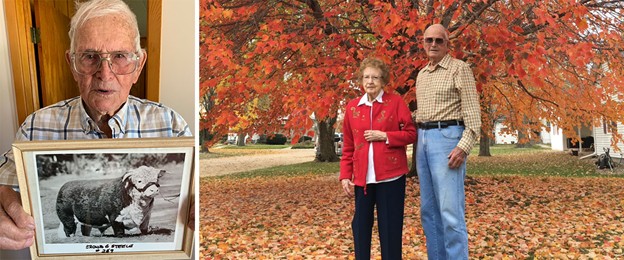
Pictured: (left) Dale proudly shows one of the bulls raised on his ranch in Nebraska, (right) Dale and his wife of 72 years, Doris.
A Life of Service
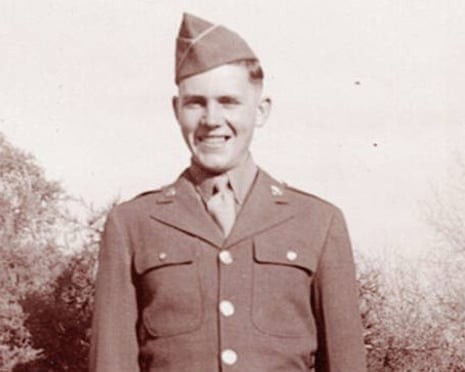
Dale was born on what’s now known as Veterans Day in 1925 and raised on a ranch near Ainsworth, Nebraska. He was drafted, and after graduating high school, served at the end of World War II in France, Germany, Belgium, and Czechoslovakia. Near the end of Dale’s deployment, he was responsible for keeping watch over top Nazi officials, including Herman Goering.
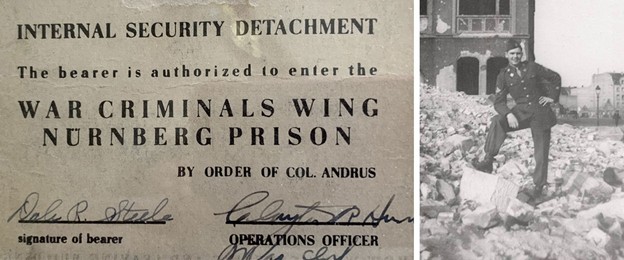
Pictured: Memorabilia and photos from Dale’s time in the Army during WWII.
Following his service, Dale returned to Nebraska, where he met his wife, Doris, at a local dance. The couple enjoyed a 72-year marriage and raised four children. Dale’s career was rooted in agriculture, and he was an avid gardener, a skill he learned during the Great Depression when resources and food were scarce. As an adult, his own family reaped the bounty of his harvests, and his grandchildren have fond memories of warm bowls of chili featuring Grandpa “Duffy’s” homegrown tomatoes. Dale and Doris’ home was a popular after-school destination for neighborhood children, offering snacks, bike tire repairs and help with homework.
Dale’s Historic Donation
The Steele family credits a clean lifestyle and a lifetime of hard work to Dale’s remarkable health at the end of his life. Still, they were skeptical when they were told he could save a life as an organ donor.
Given Dale’s age and lack of precedent for a transplant from a donor this old, members of the care team at the hospital also initially had questions about whether donation was an option. Live On Nebraska’s Chief Medical Officer, Dr. Lee Morrow, helped provide education to hospital staff and Dale’s family on why the donation and transplant could work.
While organs like the heart, lungs and kidneys cannot currently be transplanted from donors as old as Dale, the liver’s unique ability to regenerate itself makes it a candidate for transplantation. Studies show that older liver cells are constantly being replaced by younger cells, making the average age of any given liver approximately three years old.
Additionally, recent technological advancements allow doctors to place the liver in a pump following donation and evaluate it in conditions that mimic the human body before being transplanted. This helps indicate if the liver will continue to function in its new recipient, and the success of its use has encouraged surgeons to transplant more livers from older donors.
Armed with the knowledge that a successful transplant was possible, the hospital partners and Dale’s family were eager to give someone else a second chance at life. Both lined the hallways of the hospital for a hero walk, a procession honoring Dale as he was transported for organ recovery and his final act of generosity.
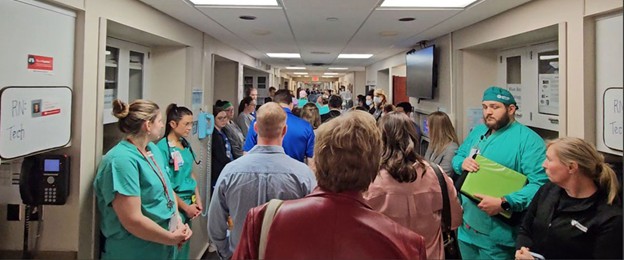
Pictured: Live On Nebraska and hospital staff members honor Dale and his family during his hero walk.
“It was a very memorable experience for me and my family,” said Dale’s son, Roger, “because it showed us that anybody that is going to be an organ donor is held in very high esteem.”
The donation and transplant were a resounding success. The recipient was walking the day after surgery, went home within a week, and their new liver is functioning normally 10 weeks later. Dale became the oldest organ donor in the U.S. and is believed to be the oldest DCD donor in the world.
Paving the Way for Future Transplants
More than 8,800 people in the U.S. are currently waiting for a liver transplant. During Older Americans Month and National Military Appreciation Month, the success of Dale’s donation and subsequent transplant demonstrates that donations from older donors, including veterans, can have a meaningful impact on those hoping for a second chance at life.
It will take the work and collaboration of the entire donation and transplantation community to make more donations like these possible. As Dale’s story shows, we need to continue highlighting the importance of ongoing education to the public and clinical partners about organ donation and transplantation, particularly as innovation expands what is possible for donors and patients alike.
In addition, transplant surgeons will need to continue to openly and carefully consider transplants from older donors, who are often seen as medically complex, as viable options for their patients on the waiting list.
Dale humbly gave back to his community and his country throughout his life, but his legacy is anything but small. His donation not only saved a life; it challenged assumptions, expanded possibilities, and will continue to open doors for future transplants once thought impossible. Live On Nebraska is proud to carry the record for facilitating donation from the oldest donor in the country, while continuing to pursue the next breakthrough that brings hope to patients waiting for a life-saving organ transplant.
To learn more and register to be an organ, eye, and tissue donor, visit aopo.org.
About the Author
Kara Cordell is the Marketing & PR Manager at Live On Nebraska. With more than a decade of experience in organ and tissue donation, she leads a team dedicated to educating the public about the life-changing impact of donation and transplantation. Kara is passionate about honoring the legacy of donor heroes and developing innovative campaigns that inspire awareness and action. She earned her Bachelor of Arts in Advertising and Public Relations from Hastings College and has spent her career supporting organizations in healthcare and education. To learn more about Live On Nebraska, visit https://liveonnebraska.org/.